
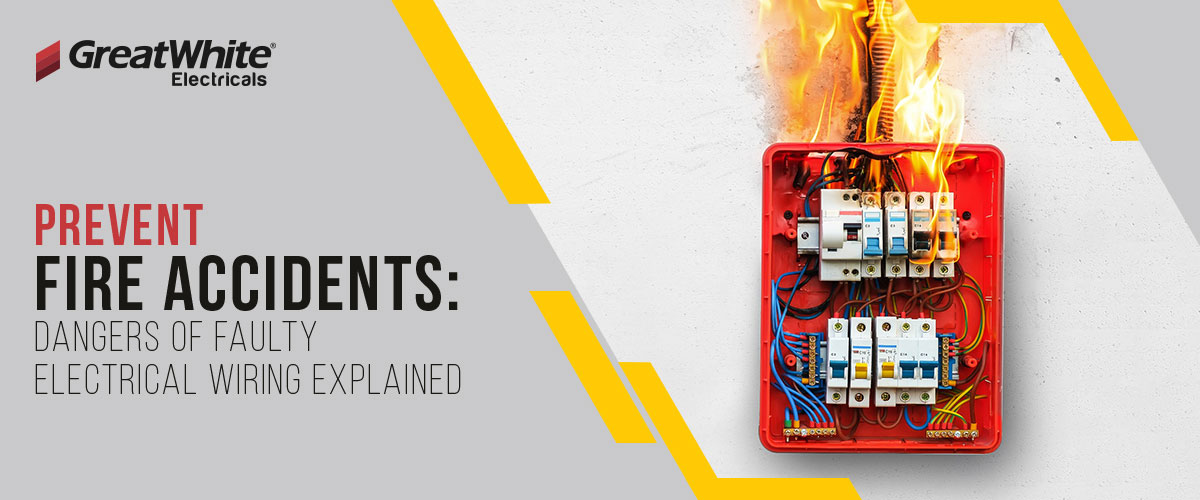
Why Fire Accidents Increase Due To Substandard Electrical Wiring
Electricity powers nearly every aspect of modern life, from lighting our homes and charging devices to running complex machinery in offices and factories. Behind this seamless functionality lies one critical component: the electrical wire network hidden within walls, ceilings and panels. While often overlooked, the quality of electrical wires and cables plays a decisive role in ensuring safety.
Unfortunately, the use of substandard building wires is a major contributor to rising fire accidents across residential, commercial and industrial spaces. Poor-quality materials, inadequate insulation and improper installation can turn essential infrastructure into a serious hazard. Understanding the risks is the first step toward prevention.
Common Causes of Fire Accidents in Electrical Systems
Electrical fires rarely occur without warning. In most cases, they are the result of underlying wiring failures. Here are the most common causes:- Overheating
When an electrical wire is unable to handle the load it carries, it begins to overheat. Substandard wires and cables often use inferior conductors with lower copper content or poor conductivity. This increases resistance, generates excess heat and can eventually ignite surrounding materials. - Short Circuits
Short circuits occur when live wires come into unintended contact due to damaged insulation or loose connections. Low-quality electrical wires are more prone to insulation breakdown, significantly increasing the likelihood of sparks and fire outbreaks. - Insulation Failures
The insulation surrounding building wires is designed to prevent electrical leakage. Substandard insulation materials crack, melt or degrade faster, especially under high temperatures or humidity. Once exposed, live conductors can easily trigger electrical fires. - Overloading and Voltage Fluctuations
In many homes and offices, multiple high-powered appliances run simultaneously. If the installed wires and cables are not rated for such loads, overheating becomes inevitable.
According to fire safety reports globally, electrical malfunctions are consistently listed among the leading causes of structural fires.
The Role of Substandard Building Wires
Substandard building wires are often manufactured without adhering to proper safety standards. To reduce costs, some manufacturers compromise on:- Copper purity and conductor thickness
- Quality of PVC or insulation compounds
- Fire-resistant properties
- Compliance with certification norms
These shortcuts may not be visible to the naked eye, but their consequences can be devastating. For example, a thinner conductor in an electrical wire increases resistance, causing heat build-up even under normal load conditions. Over time, this heat damages insulation and nearby materials such as wood, paint or plastic conduits, eventually leading to ignition.
In industrial environments, the risks are even higher. Heavy machinery requires robust wires and cables capable of sustaining continuous loads. Substandard wiring in such settings can cause large-scale electrical fires, operational shutdowns and severe financial losses.
How Quality Electrical Wires Ensure Safety
Investing in certified, high-quality electrical wires and cables significantly reduces fire risks. Here’s how:- Superior Conductivity
High-grade copper or aluminum conductors reduce resistance, minimizing heat generation. - Durable Insulation
Premium building wires feature heat-resistant, flame-retardant insulation that withstands high temperatures and environmental stress. - Compliance with Safety Standards
Certified electrical wire products undergo rigorous testing for load capacity, fire resistance and durability. Standards such as ISI or IEC certifications indicate compliance with safety norms. - Better Load Handling
Quality wires and cables are designed to handle specified voltage and current loads efficiently, preventing overheating even during peak usage. - Longer Lifespan
Reliable wiring systems reduce maintenance costs and ensure consistent performance over decades
When high-quality wiring is paired with professional installation, the risk of short circuits, overloads and insulation failures drops dramatically.
Practical Tips for Choosing Reliable Wires and Cables
Choosing the right building wires is not just a technical decision, it’s a safety investment. Here are practical tips to guide you:- Check Certification Marks: Always verify ISI or other recognized safety certifications.
- Inspect Conductor Quality: Ensure high copper purity and appropriate conductor thickness.
- Choose Flame-Retardant Insulation: Opt for FR or FRLS (Flame Retardant Low Smoke) building wires for added safety.
- Buy From Trusted Brands: Established manufacturers are more likely to meet regulatory standards.
- Avoid Suspiciously Low Prices: Extremely cheap wires and cables often indicate compromised quality.
- Hire Professional Electricians: Proper installation is as important as product quality.